
Pushing the Boundaries of Quantum Sensing

Our group is dedicated to advancing the frontiers of quantum sensing, with a particular focus on controlling quantum degrees of freedom, such as spins, and potentially phonons in diamond and other wide-bandgap materials. At the heart of our research lies a fundamental question: How can quantum systems be effectively interfaced with their environments to unlock deeper scientific understanding and enable transformative applications?

Learn more
Quench imaging of domain walls

Our Research

Multimodal Quantum Sensing

The nitrogen-vacancy (NV) center in diamond is a single-spin defect that enables magnetic field imaging with nanometer-scale spatial resolution and nanotesla sensitivity. By developing advanced quantum control techniques and reconstruction protocols, we aim to extend the NV center's capabilities to detect and explore a broader spectrum of physical phenomena. This includes time-varying magnetic fields, electrical currents, electric fields, and surface spin dynamics. We are also working to enhance the NV center's operational resilience across a range of challenging environments—including extreme temperatures, high pressures, strong magnetic fields, and radiation exposure—to support robust, real-world applications. This research direction branches into two complementary areas:

Quantum Probes for Condensed Matter

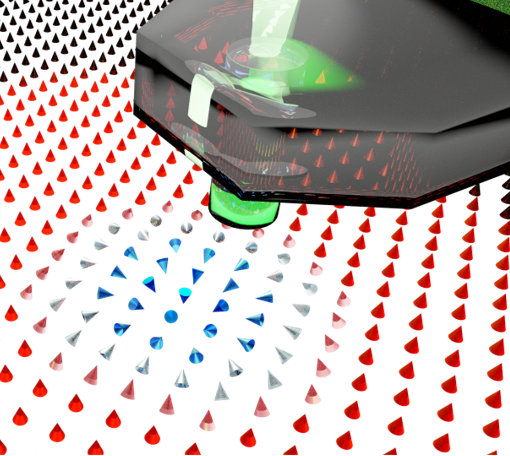
Solid-state materials research and development have progressed towards ever-reducing spatial and physical footprints, motivated by novel properties emerging at reduced dimensions and the miniaturization of technology. Leveraging our expertise in NV-based quantum sensing, we aim to push the frontiers of quantum materials research. Our focus includes 2D magnets, magnonic systems, superconductors, multiferroics, and hybrid materials. By tailoring quantum sensing protocols to probe emergent phenomena in these systems at the nanoscale, we seek to uncover new physics and enable next-generation technologies.
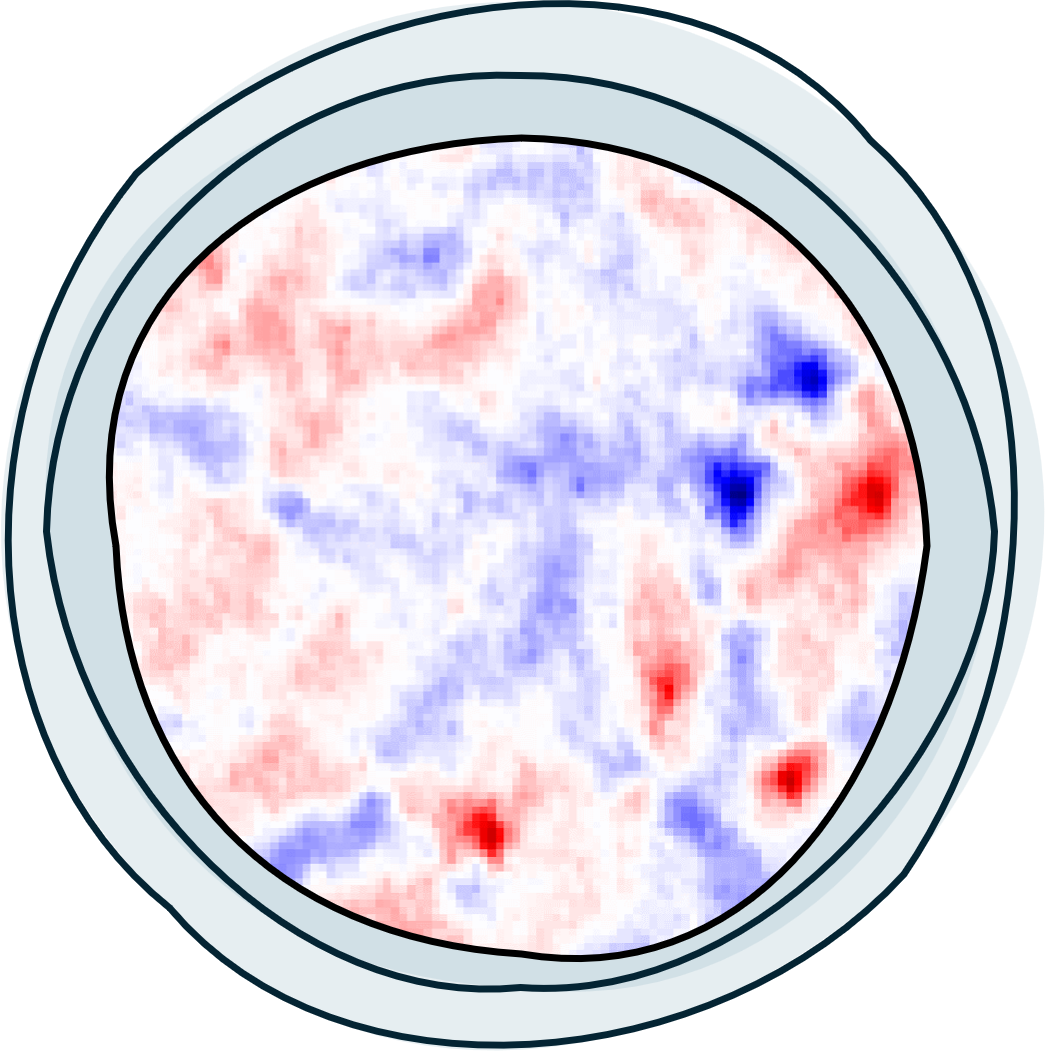
Topological Textures

Engineering Quantum Sensors for Industries

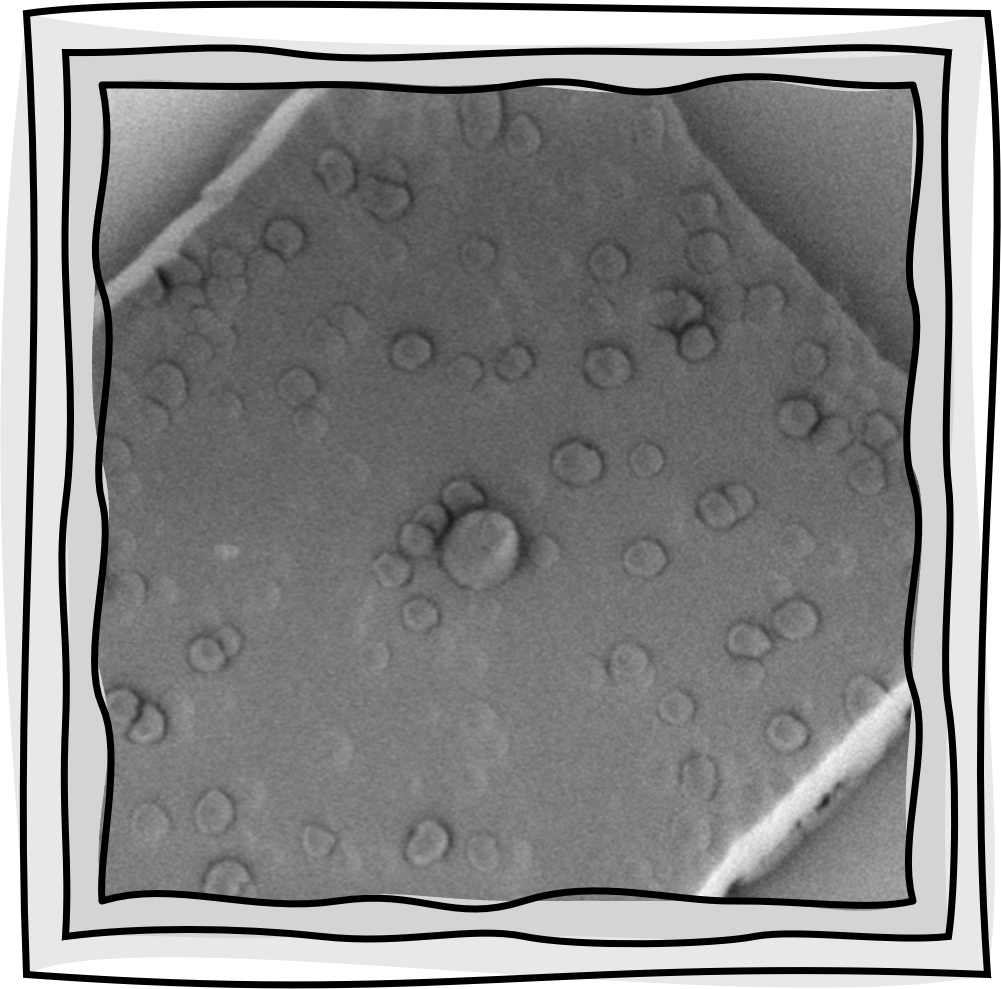
Diamond’s exceptional robustness and ability to host stable quantum defects make it a powerful platform for industrial sensing applications. This research direction focuses on developing novel packaging solutions and advanced reconstruction protocols to deploy NV-based sensors in real-world environments. Target applications include plasma diagnostics in nuclear fusion reactors, high-field MRI calibration, and non-invasive imaging of integrated circuits. This interdisciplinary effort fosters innovation at the interface of quantum science and engineering, offering opportunities for industrial collaboration and intellectual property development.

SEM Image of Diamond Tip

Highly Tunable Quantum Interfaces

Advancements in quantum technologies thus far have yielded individual quantum systems that fulfil one or few specific quantum functionalities. For example, optical photons for transmitting quantum information, solid-state defects for storage, and superconducting circuits for processing. These platforms do not readily exchange quantum information as they are physically distinct and operate at vastly dissimilar energy scales. The challenge is to realise quantum interfaces capable transducing quantum information between different quantum systems. Our research addresses this challenge by exploring diamond as a versatile and highly tunable quantum interface.

Exploring Photon-Phonon Interaction

Owing to it’s wide bandgap, high refractive index, and exceptional acoustic velocity, diamond supports a photon-phonon interaction known as Brillouin-Mandelstam scattering that is tunable across a broad optical spectrum and a wide RF range. Such tunability offers a promising route for mediating quantum information transfer between otherwise incompatible systems, including emerging superconducting qubit platforms. Beyond practical applications, achieving and controlling quantum states of massive mechanical systems is of profound fundamental interest. It opens new avenues for probing the foundations of quantum mechanics and the nature of reality itself. This research will be pursued in collaboration with Michael Vanner in Imperial College, combining complementary expertise in quantum optomechanics and theoretical physics.

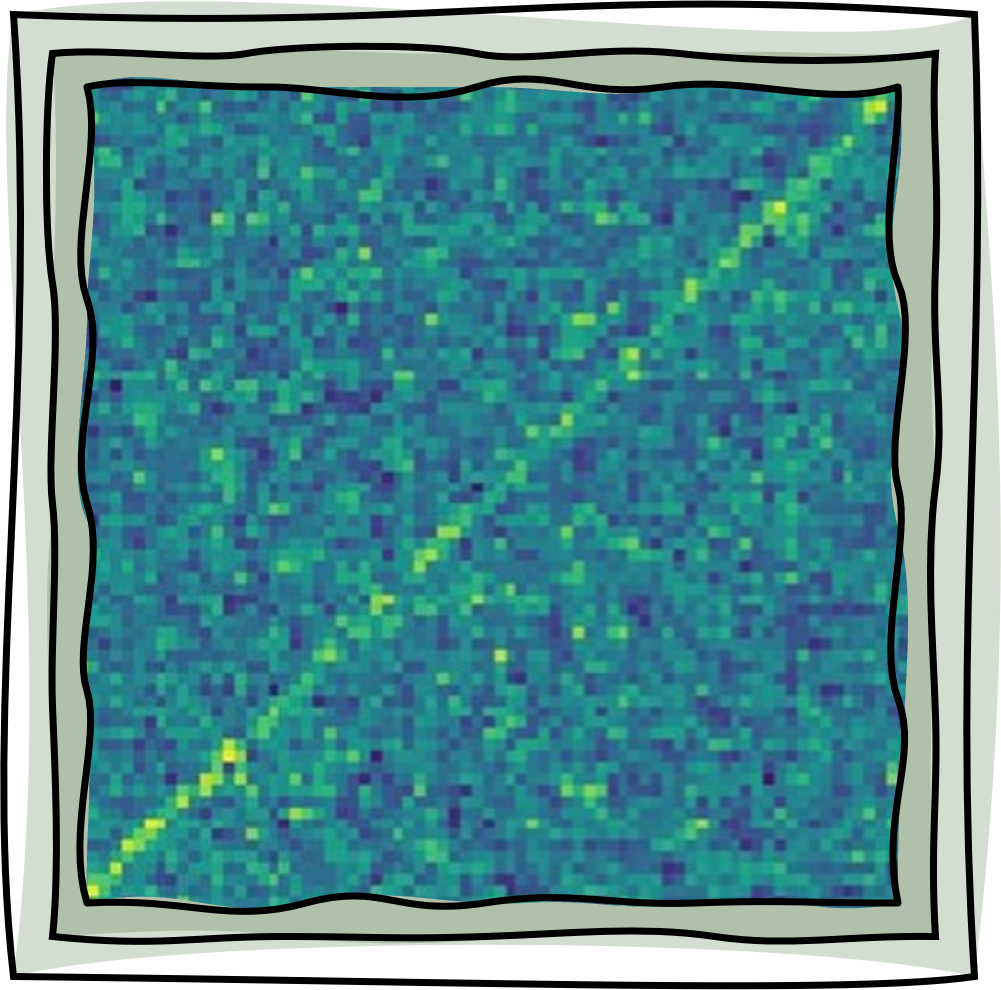
Brillouin Classical Correlation

Latest News

`

Quantum Sensing Group is starting Q4 2025!

  • Curious about how quantum systems and wonder how they can enable transformative applications?
  • We are looking for enthusiastic individuals to join us! Please get in contact to find out more!

Our paper on quantum sensing revealing topological textures is getting attention!

  • Highlighted in several popular media and review articles. Check them out!
  • Rustland - A Tale of Flat Magnetism | Cavmag Magazine
  • Magnetic monopoles appear in haematite | Physics World
  • Can a Magnet Ever Have Only One Pole? | Scientific American
  • Naturally Occurring Magnetic Monopoles Measured For The First Time | IFL Science
  • Imaging the twist of antiferromagnetic merons in a blood-red iron oxide | Nature Materals
More news

Latest Publications

Brillouin-Mandelstam Scattering In Telecommunications Optical Fiber At Millikelvin Temperatures. APL Photonics (2025)

Something from Nothing: Enhanced Laser Cooling of a Mechanical Resonator via Zero-Photon Detection. Physical Review Letters (2025)

Something from Nothing: A Theoretical Framework for Enhancing or Enabling Cooling of a Mechanical Resonator via the anti-Stokes or Stokes Interaction and Zero-Photon Detection. Physical Review A (2025)

Evidencing Dissipation Dilution In Large-Scale Arrays Of Single-Layer WSe2 Mechanical Resonators. ACS Applied Electronic Materials (2024)
Full list

Our Team

Anthony K.C. Tan

Anthony K.C. Tan
Principal Investigator

Join Our Team

We are always looking for passionate individuals to join our research group. If you are interested in pursuing a PhD, postdoctoral position, or internship with us, please contact us at tan.anthony@nus.edu.sg.